Color has the power to transform a space, influence our mood, and express our personality. Choosing the right color palette is one of the most important decisions in interior design, yet it can feel overwhelming with endless options available.
Understanding Color Theory
Start with the basics: the color wheel. Complementary colors (opposite on the wheel) create vibrant contrast. Analogous colors (adjacent) offer harmony. Triadic schemes use three evenly spaced colors for a balanced yet dynamic look.
The 60-30-10 Rule
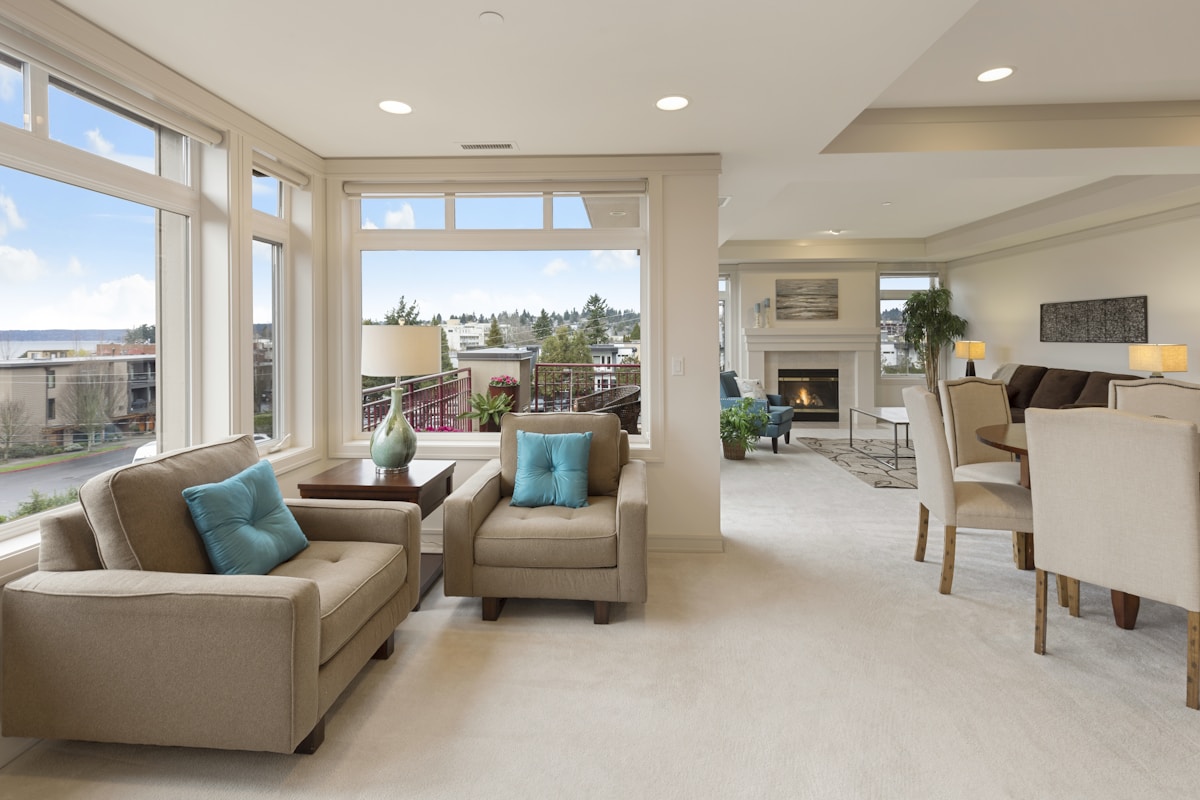
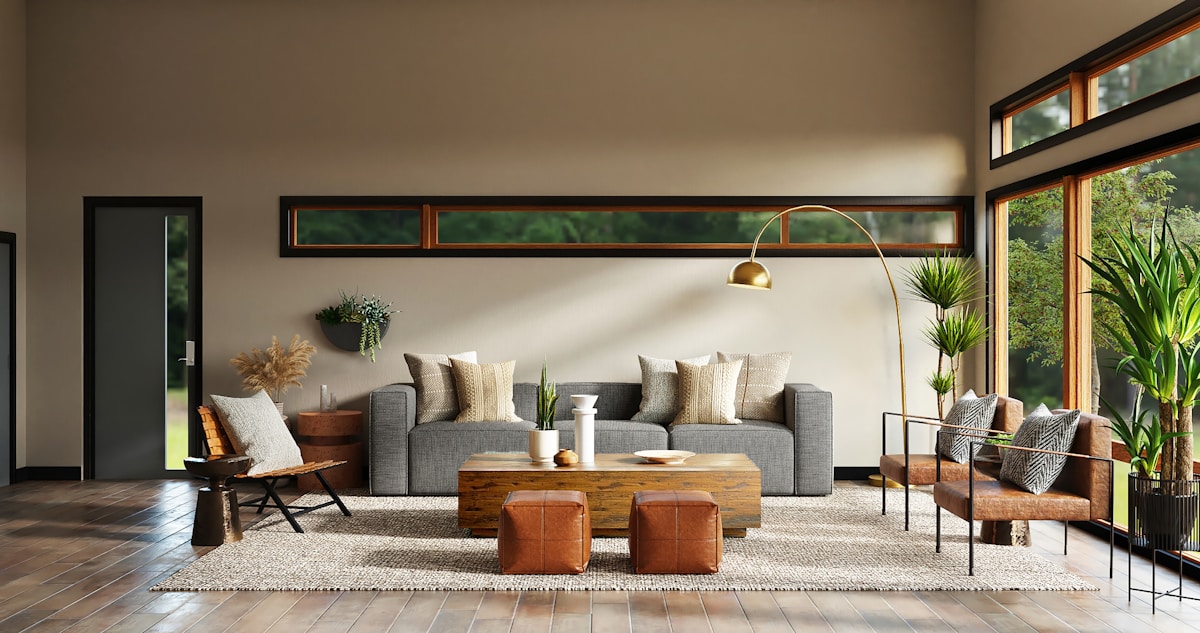
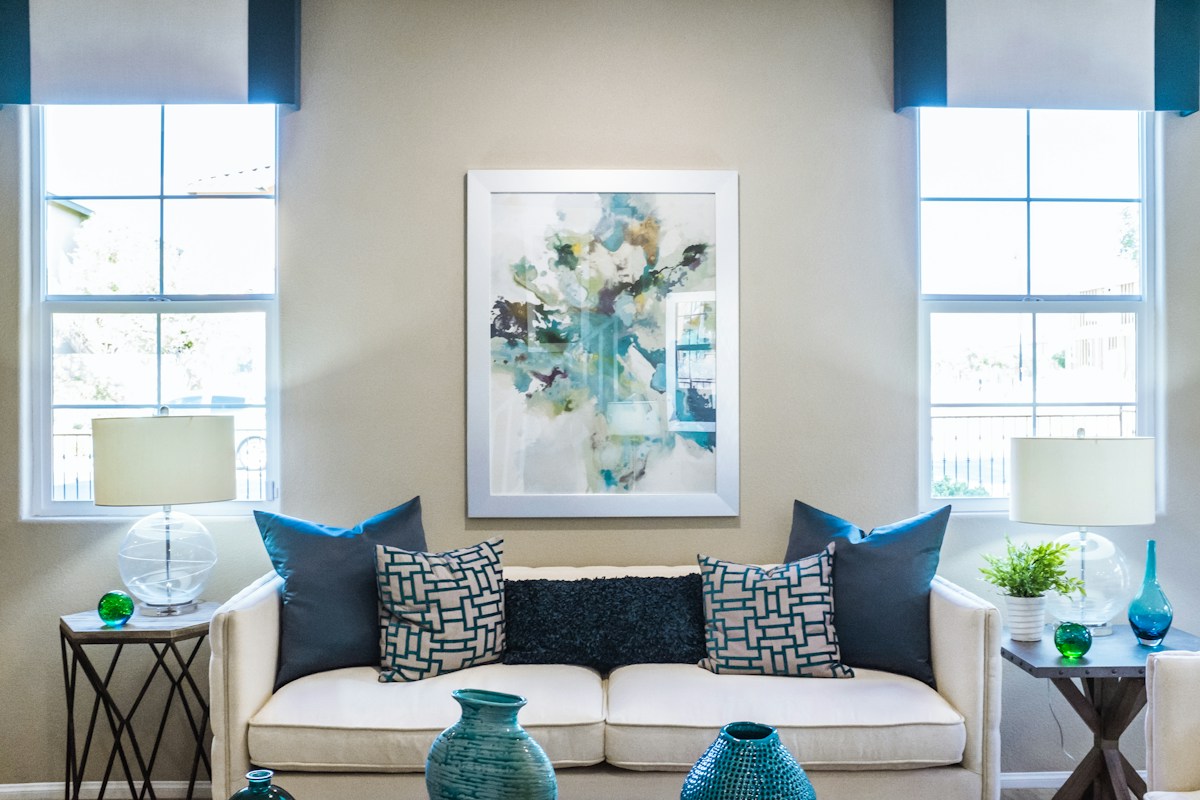
This classic principle helps create balanced color schemes. Use your dominant color for 60% of the space (walls), a secondary color for 30% (furniture), and an accent color for 10% (accessories). This creates visual interest without overwhelming the senses.
Consider the Mood
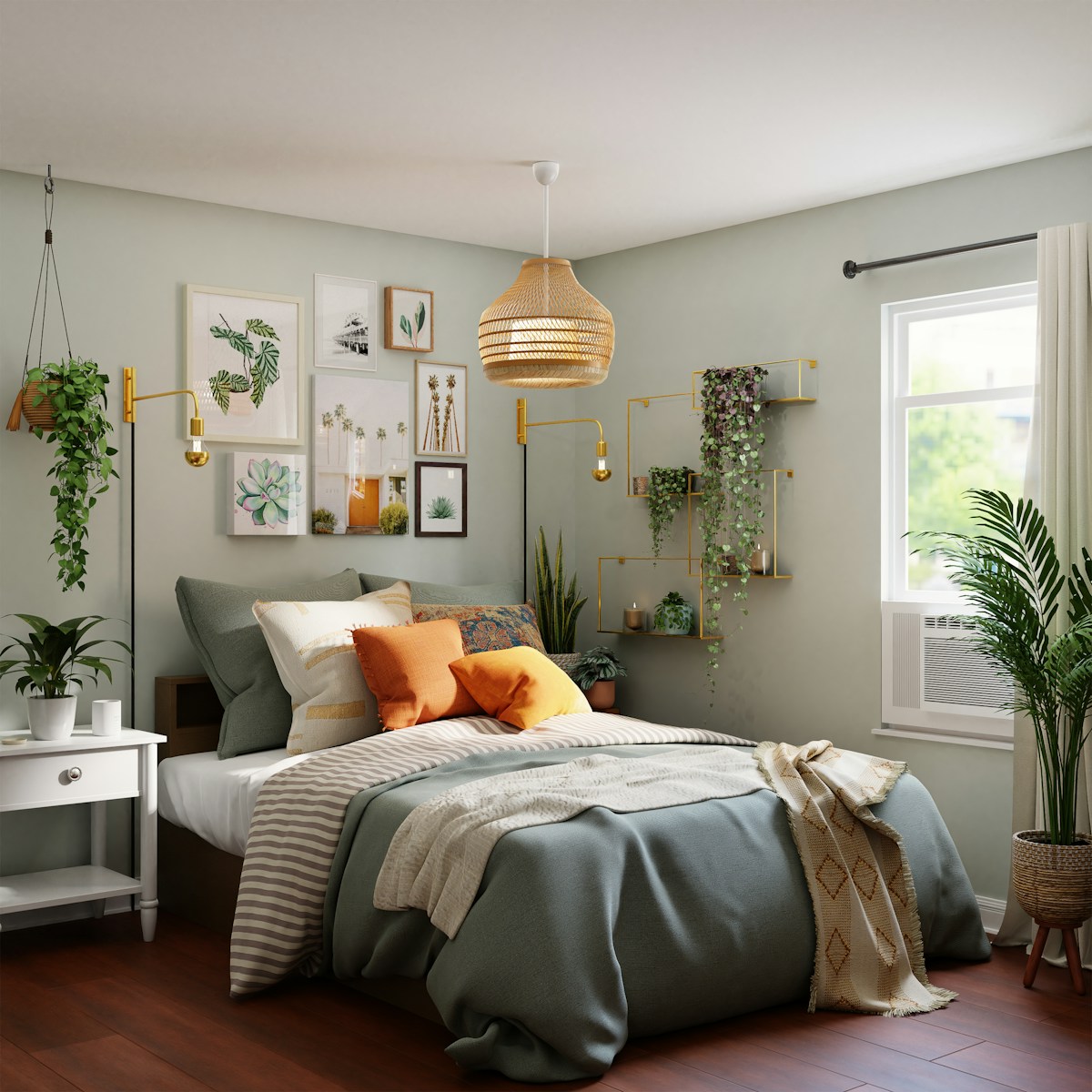
Different colors evoke different emotions. Blues and greens promote calmness—ideal for bedrooms and bathrooms. Warm colors like reds and oranges energize spaces, perfect for dining rooms and social areas. Neutrals provide a versatile, timeless backdrop.
Natural Light Matters
A color looks different depending on the light it receives. North-facing rooms tend to have cooler light, while south-facing rooms get warm, bright light. Test paint samples on your walls and observe them at different times of day before committing.
Creating Flow
While each room can have its own character, maintain visual continuity throughout your home. Use variations of your main colors or carry accent colors from room to room to create a cohesive feel.
Don't Fear Color
Many people default to safe, neutral palettes, but don't be afraid to embrace color. Start small with colorful accessories or an accent wall if you're hesitant. You can always adjust, and the right color can bring incredible joy to your daily life.
Lisa Anderson
Color Consultant
A passionate designer with over 10 years of experience creating beautiful and functional spaces. Specializing in modern design trends and sustainable practices.