Minimalism in interior design is more than just a aesthetic choice—it's a lifestyle that promotes clarity, calmness, and intentional living. A minimalist living room creates a serene environment where every element serves a purpose.
The Philosophy of Minimalism
At its core, minimalist design is about removing the unnecessary to highlight what truly matters. It's not about having less, but about making room for more—more space, more light, more peace.
Color Palette
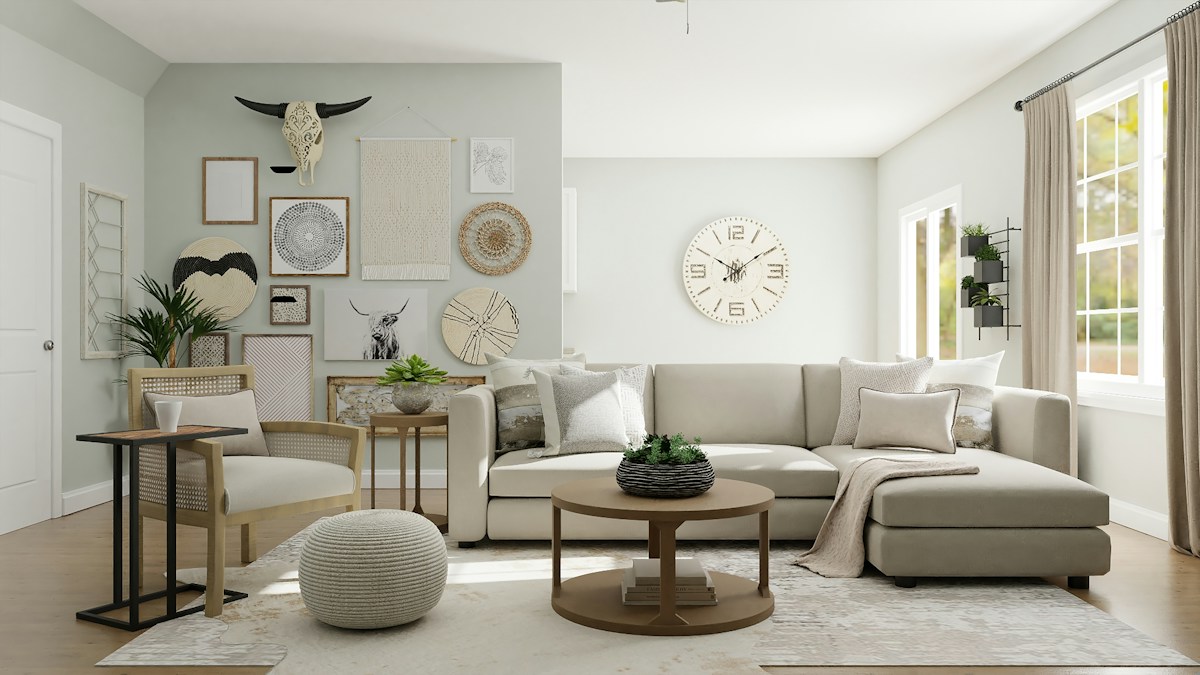
Minimalist living rooms typically feature neutral color schemes—whites, grays, beiges, and blacks. These colors create a calm backdrop and allow architectural features and carefully chosen pieces to stand out. Occasional pops of color can be introduced through artwork or plants.
Furniture Selection
Choose furniture with clean lines and simple forms. A sleek sofa, a low-profile coffee table, and minimal seating create an uncluttered look. Each piece should be functional and beautiful, earning its place in the room.
Texture and Materials
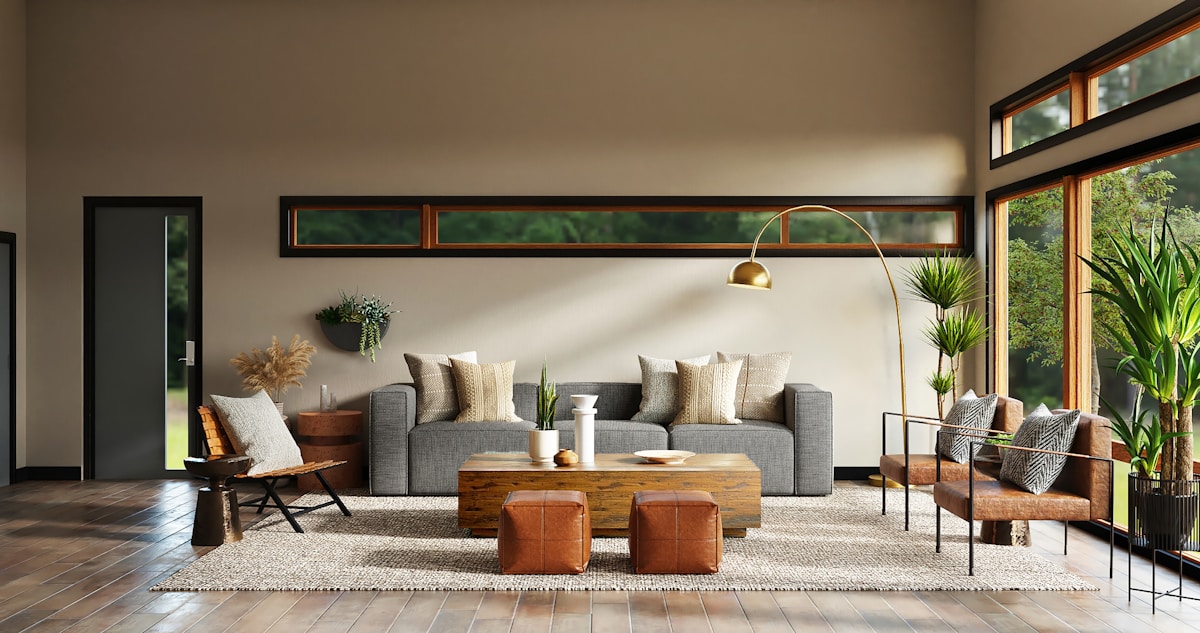
While minimalist spaces use limited colors, texture adds depth and interest. Combine smooth surfaces with natural materials like wood, stone, and linen. These organic elements prevent the space from feeling cold or sterile.
Lighting Design
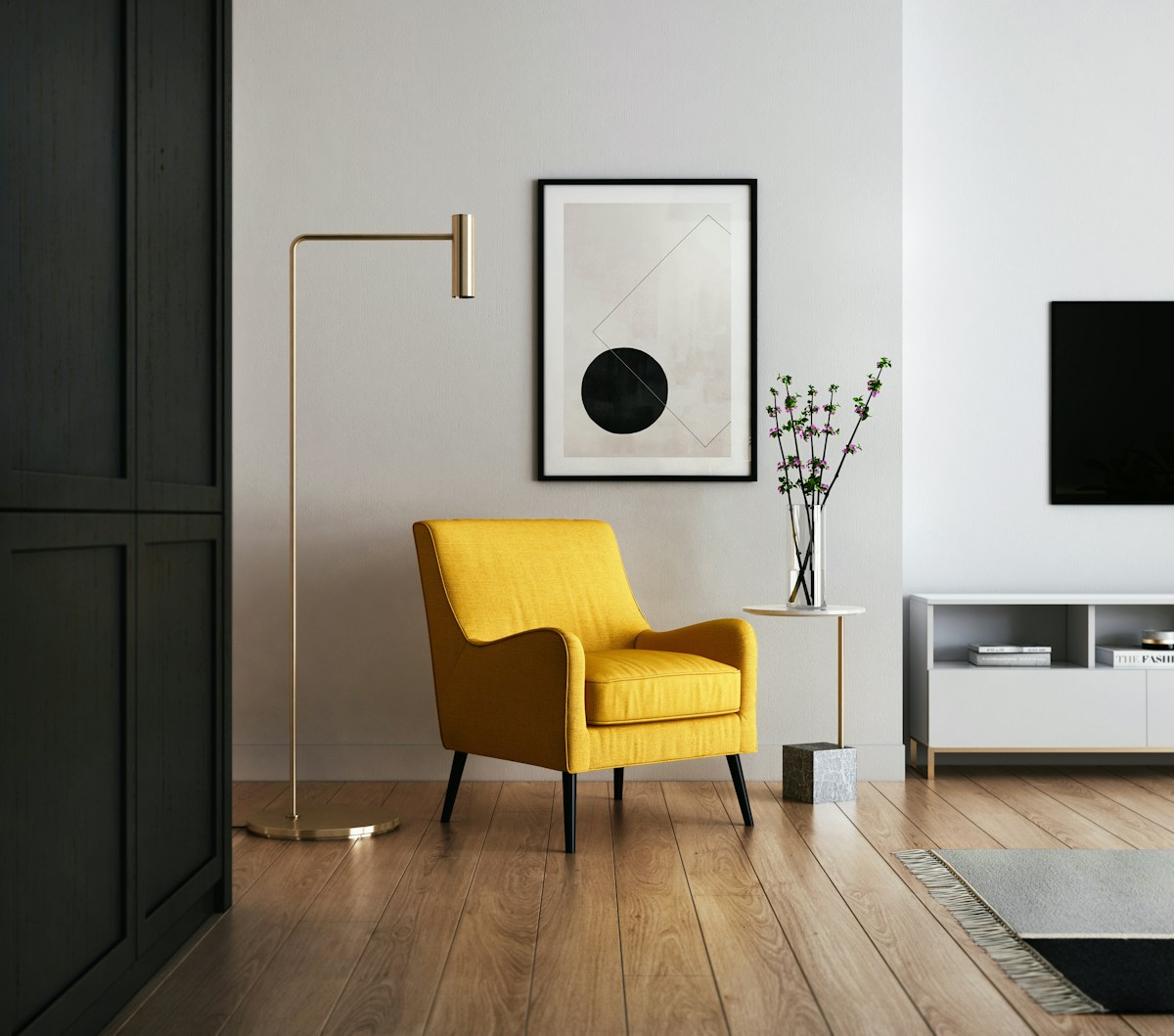
Natural light is paramount in minimalist design. Keep windows unobstructed or use simple, sheer curtains. For artificial lighting, choose fixtures that are both functional and sculptural, serving as subtle focal points.
The Art of Editing
The key to a successful minimalist living room is ruthless editing. Display only items that bring joy or serve a specific function. Remember: negative space is just as important as the objects you choose to include.
Emma Wilson
Interior Stylist
A passionate designer with over 10 years of experience creating beautiful and functional spaces. Specializing in modern design trends and sustainable practices.